Mr. Moler and His Worker Bees

When Vandiver Moler came to Van Buren Township from Jefferson County West Virginia in 1823, the area was still considered primitive. Moler’s land was in section 17, township range 6. Exchanging work was the currency of choice for neighbors, and oftentimes Moler would set down his plow and head to his blacksmith shop to do a job for a neighbor. In exchange, that neighbor would pick up that plow and finish Moler’s field for him. Groups of neighbors would get together to do the harvest for another neighbor in what was called a “bee.” The community relied on bees for prosperity.

Just like any other member of the community, Mr Moler relied on and participated in these bees regularly. As a member of the Methodist Episcopal Church, he was a firm opponent to the use of liquor during these bees, even offering 12½ cents more per day to men who would abstain from drink during that time. Eventually, he refused to hire help who used whiskey. His opponents were upset by this and declared they wouldn’t help him.

A stonemason named James Dean from Dayton heard about this and gathered a party to go harvest Moler’s wheat. When neighbors noticed the immaculate job Dean’s party did, they hired them as well to harvest their grain. Dean later found whiskey in one of the neighbor’s homes and promptly led his party back to Dayton, leaving the neighbor’s harvesting unfinished.

Source: Dayton Daily News, February 29, 1936

Remembering September 11th, 2001

Every year, this date brings with it memories of a few familiar phrases: Never Forget, and “United We Stand.

But remembering is personal.

This year marks 25 years since September 11th, 2001. A quarter of a century has passed, yet for those of us who lived through that day, many of the memories remain remarkably clear. We remember where we were, who we were with, what we saw, what we heard, and the moment we realized something was terribly wrong. Even after all these years, certain details remain fixed in our minds.

Our experiences of September 11th were different, as were the ways we understood what was happening around us. But like millions of Americans, we each carry a story from that day and from the days that followed.

Today, we wanted to share our memories.

Not because our experiences were extraordinary, but because remembering September 11th also means remembering it through the individual lives it touched. These are our memories of September 11th, 2001.

Bethany:

Some pieces of that day are very clear to me, but some details are completely missing. I was 16 and a junior in high school. I know I was taking a test in Honors US History with Mr. Karl that morning when the first plane hit. But I don’t remember how I found out, or who even told us. I do remember watching the news live in my 3rd period CPR/First Aid class next to my friend Julie. I remember we were all silent and we watched the towers fall. It didn’t seem real. We were all glued to the TVs all day and night just trying to understand what was going on. Just consuming every bit of information we could.

Most of what follows in my memories is just the feelings. Shock, sadness, confusion, fear. We were just 20 minutes from Wright-Patt and there were rumors that the base was a target because it was so important. In the following days, I remember being in the Dollar Tree in Kettering with my mom and sister and one of them heard the sonic boom of a low-flying jet and everyone was terrified.

But mostly, I also remember the unity we all felt. Nobody cared if you were popular, an outcast, a jock, a brain, a theater kid, a marching band kid…we were all just American teenagers. We were all just trying to understand. It seems silly, but one of my clearest memories was that in my Economics class a month or two later, we had to market, produce, and sell something in the cafeteria and because the patriotic sentiment was running so strong at that time, we braided pieces of red, white, and blue bandanas into keychains and sold them. We sold out quickly and won the competition between Economics classes.

Sara:

I was in my US History class when the first plane hit. I remember distinctly watching the clock and counting the minutes until the next class. I was completely unaware and went on to my next class, which was Sculpture and Ceramics. The teacher from the art room next door came in and told my teacher to turn on her TV, a plane had just hit the Pentagon. We turned on the TV thinking it was a terrible accident, having no idea what else we would learn.

I watched in horror as footage played of planes hitting the World Trade Center Towers. I was a 15-year-old sophomore watching real people die on TV. In every class after that, we watched the TV for any updates. Our school principal, Dr. McAtee, announced that we need to continue with classes, so we didn’t let the terrorists win, as if drawing Punnett squares in 4th period biology would defeat them.

By the end of the day, rumors had circulated that Wright-Patt Air Force Base was next to be bombed. My dad worked there, and I remember rushing home after I got off the school bus that afternoon so I could call him (cell phones were not common then). I was so relieved to see his car parked out front as I rushed up the street to my house. The base had sent home all non-essential personnel and my dad explained to me that it was restricted air space, so the base would be immediately on defense if any aircraft flew overhead, especially then.

In the days after 9/11, people who never watched the news (including me) came home every day and turned it on. People became patriotic where before they hadn’t been. Lee Greenwood’s song, “God Bless the USA” played on every radio station and on TV specials.

Where were you on 9/11? What do you remember about that day?

Flooding in the Miami Valley

Every time we experience flash flooding or excessive rain in the Dayton area, we see the comments on social media asking if we are going to flood again. We think it may be necessary to post about the Miami Conservancy District again, to inform Dayton of the measures put in place over 100 years ago

The Miami Conservancy District was organized in 1915, in response to the Great Dayton Flood (in 1913). The MCD built levees, straightened the river channel, and built 5 dams to control flooding in the Miami Valley. The Miami Conservancy District was the first major watershed district in the nation. The district and its projects are unusual in that they were funded almost entirely by local tax initiatives.

The small village of Osborn, Ohio had little damage from the flood, but experienced issues from its aftermath. The village was located directly in the path of the new Huffman flood plain. The citizens of Osborn decided not to abandon their home, but instead, decided to move their homes to just outside Fairfield, Ohio. Years later, the two towns merged, and changed their name to Fairborn, Ohio.

The 5 dams built to control flooding are:

  • Englewood Dam – Regulates the flow of the Stillwater River into the Great Miami River
  • Germantown Dam – Regulates the flow of the Twin Creek into the Great Miami River
  • Huffman Dam – Regulates flow of Mad River into Great Miami River
  • Lockington Dam – Regulates flow of Loramie Creek into Great Miami River
  • Taylorsville Dam – Regulates the Great Miami River

More Unsolved Facts

Continuing our sharing of facts Sara found while writing her newest book Unsolved Dayton, here are some more!

  • January 26, 2009 – Leonard Hatton was shot in the head during what appeared to be a robbery in his home on Farr Avenue.
  • July 11, 1893 – 14 year old Anna Worl died in her mother’s arms after being shot by a stray bullet. She was leaning on a broom inside her home, in line with shots fired by Charles Bohes and Frank Engle. Both men were arrested but after investigation it was determined the bullet that struck Anna did not come from their guns. Both men were firing their guns from the east. The bullet came from an unidentified shooter from the West. The shooter has never been identified.
  • March 24, 2023 – Destiny Mills was in her apartment when several bullets were fired through her wall and door. Destiny was struck in the chest. Others in the apartment were not injured by any of the bullets. The shooter left the scene before police arrived.
  • August 6, 2003 – James “Tony” Gordon was shot while attempting to leave as he was being carjacked. His nephew in the car was not shot.
  • May 25, 1992 – Jennifer Causey was stabbed to death and her face was slashed. Her body was left in a junkyard near Orleans and Albany Streets.
  • August 9, 1974 – Dalton Smith was shot and killed in a bar after briefly speaking to a man. The man then pulled out a gun, shot Dalton, then fled out the back door.
  • February 9, 2008- Heather Smith was last seen with a friend at Sam’s Market on E Third Street. Her body was later discovered in a trash can a half mile from Sam’s Market in April.

Upcoming Events – Summer/Fall 2026

With Summer winding to a close, why not enjoy a few more festivals? Here’s a list of some upcoming events in the area:

  • August 14 – 16: Dayton Germanfest Picnic
  • August 14 – 20: Miami County Fair
  • August 15-16: Fairborn Sweet Corn Festival
  • August 15: Art in the City Dance Pop-up – Dayton Metro Library
  • August 15-16: Dayton African American Festival
  • August 29-30: Xenia Monster Truck Wars

Gem City’s Most Haunted Podcast

With most of the major holidays over, the season has started for the most avid of Halloween lovers. Why not put yourself in a spooky mood by listening to WDTN’s podcast titled Gem City’s Most Haunted.

Hosted by Trey Brown, Cameron Cooper, and Avery Lewis, this monthly podcast explores Dayton’s Dark History alongside local authors and paranormal investigators. The series investigates spooky sites, cryptids, and folklore from throughout Dayton. The podcast has included Patterson Homestead, the Dayton Art Institute, and Kettering’s Hills and Dales Tower, among others. You can listen to the full series by checking out Gem City’s Most Haunted WDTN playlist on YouTube. Don’t forget to check out the episode from April 17, 2026 featuring Sara Kaushal!

Huffman Prairie

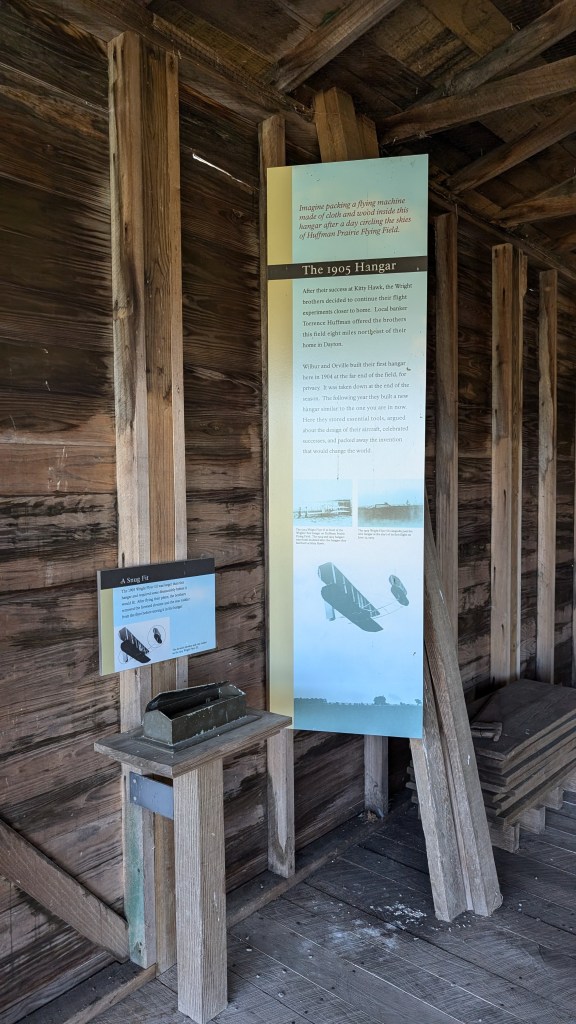
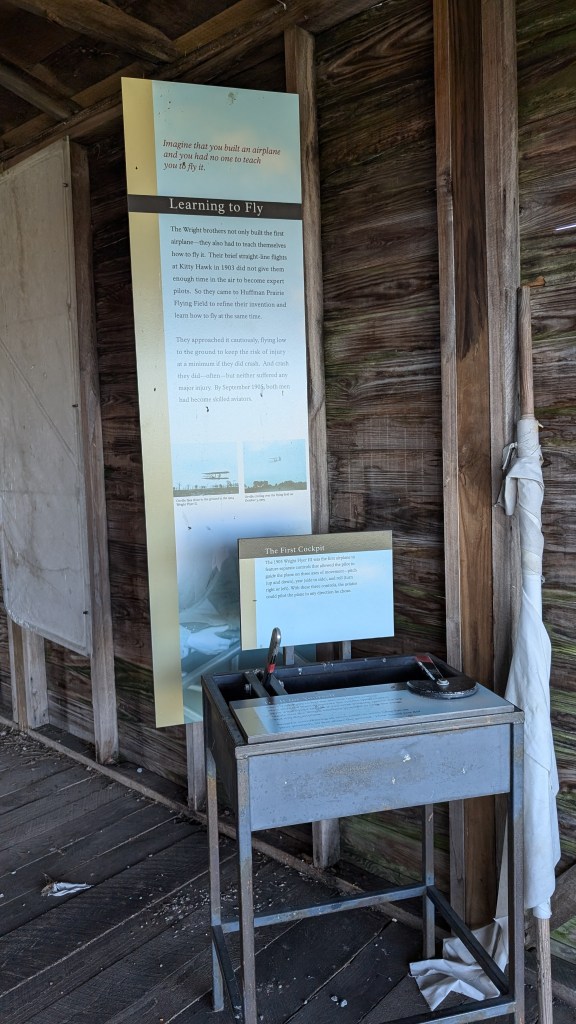
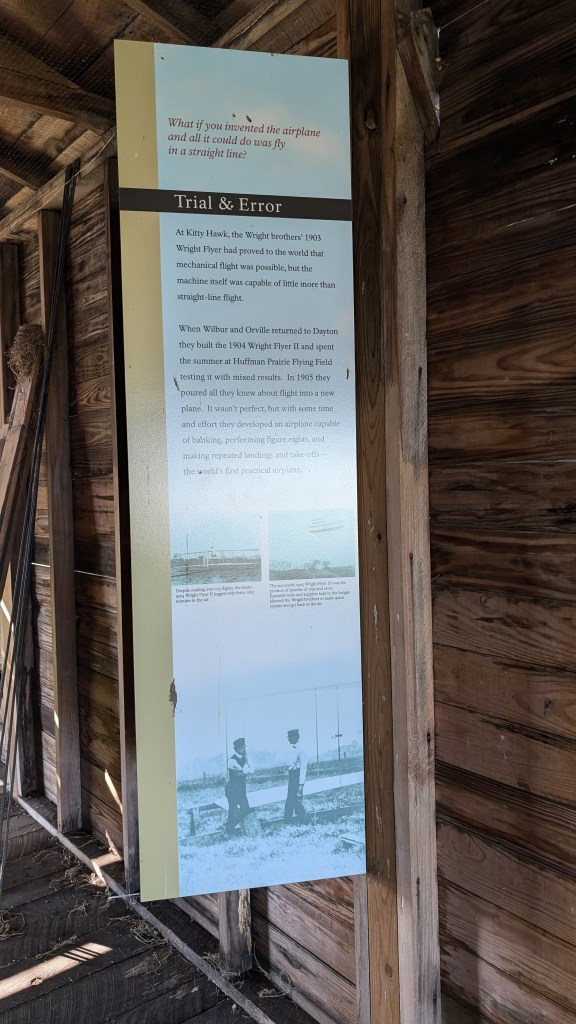
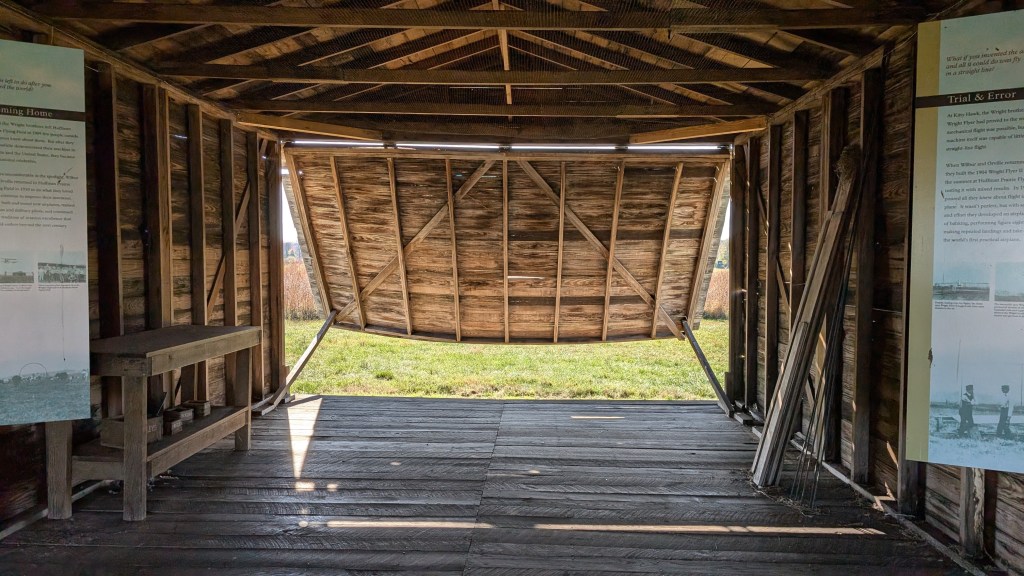
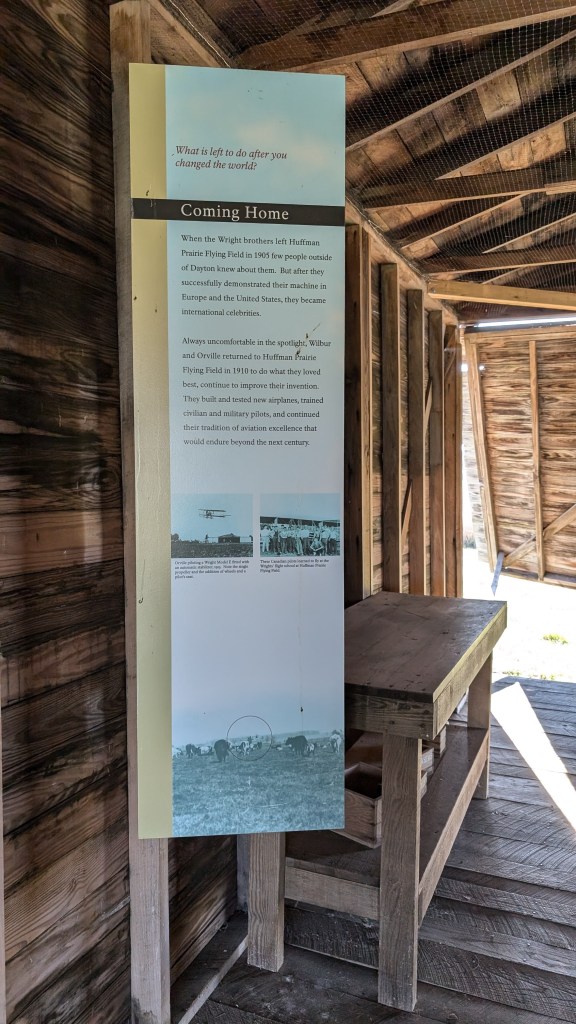
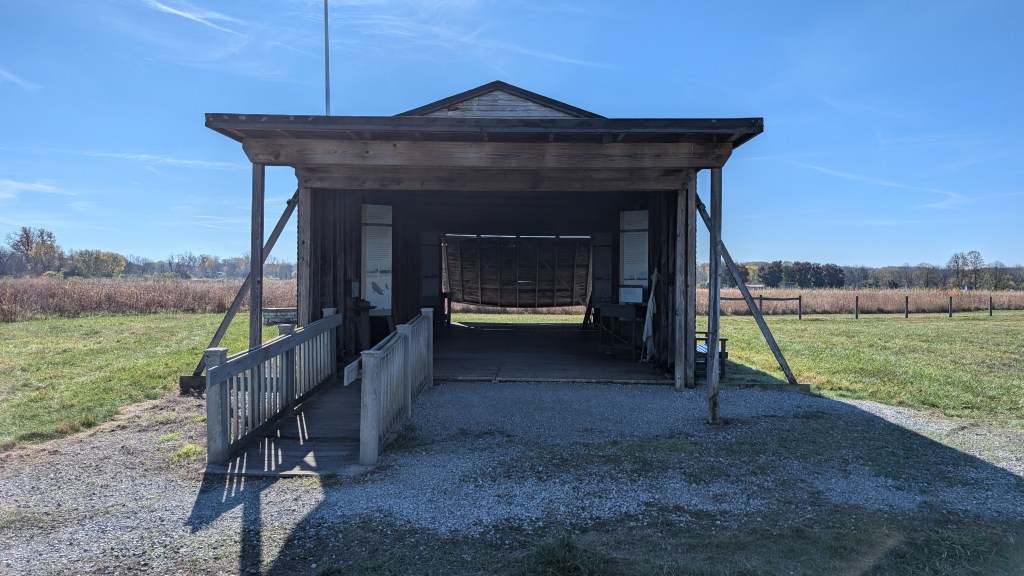
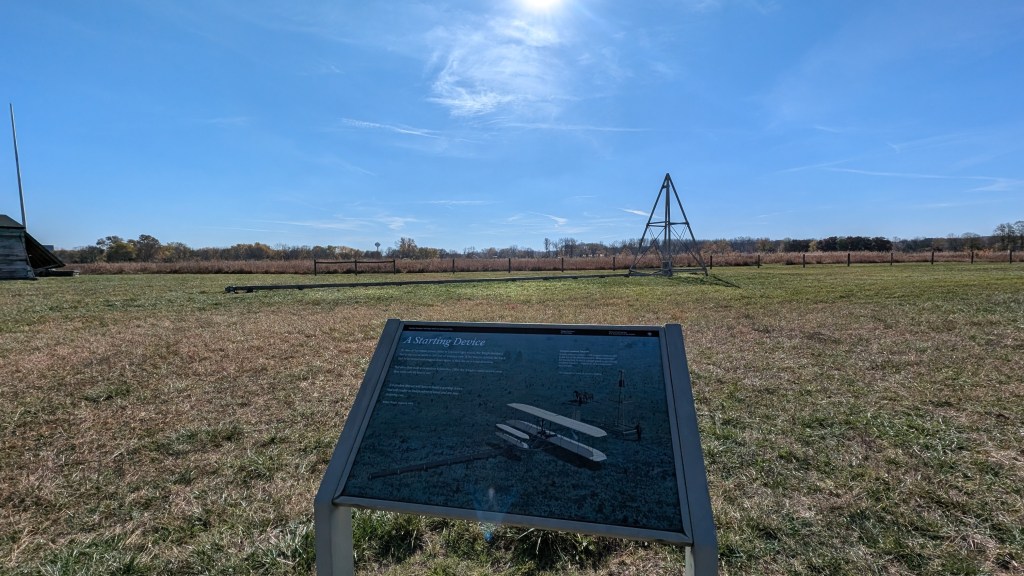
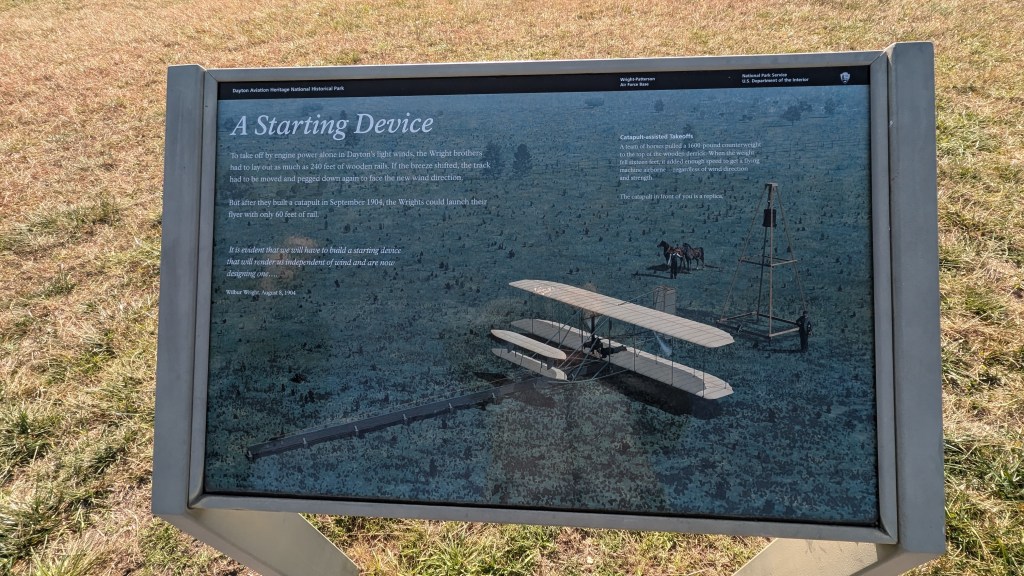
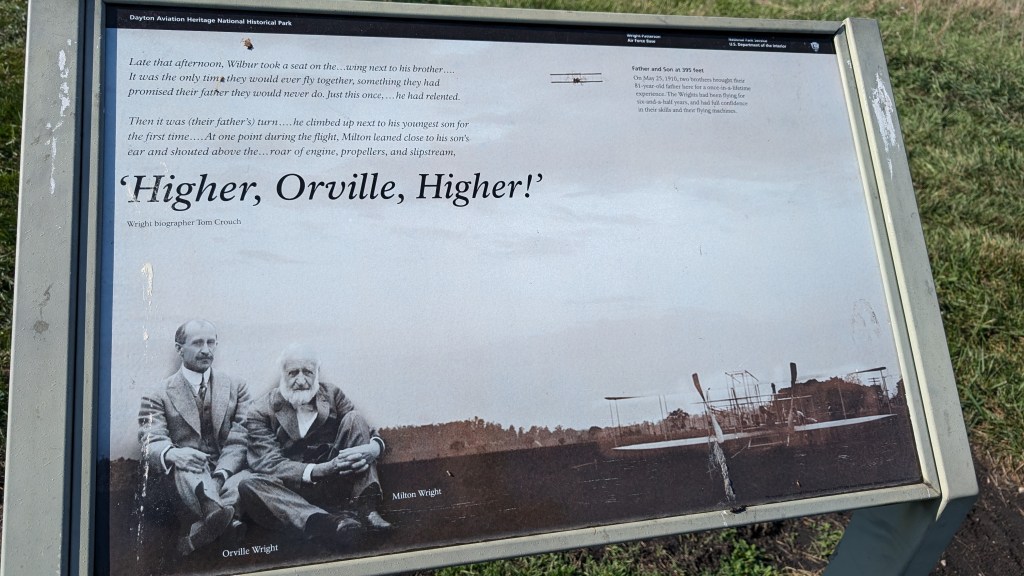
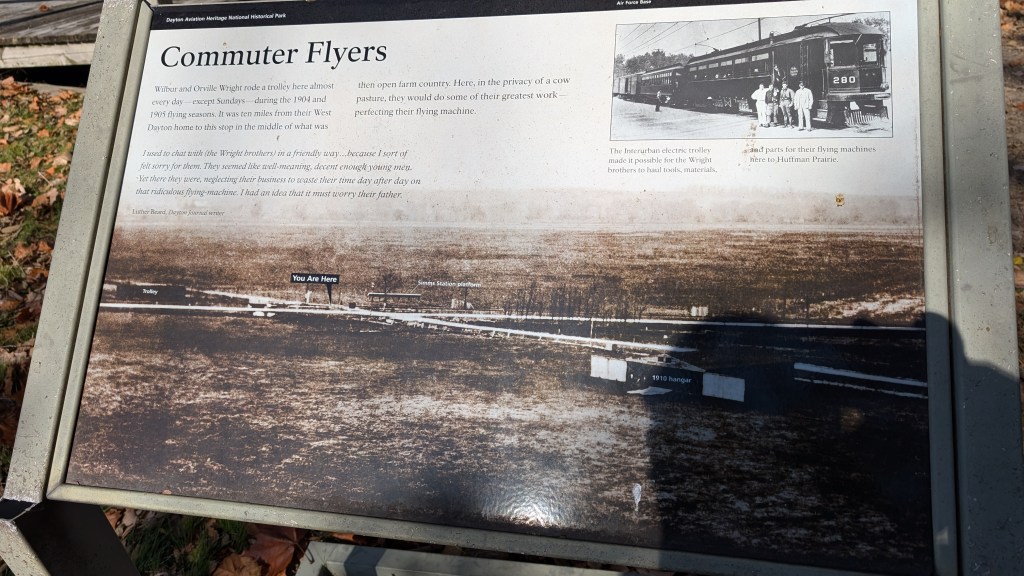
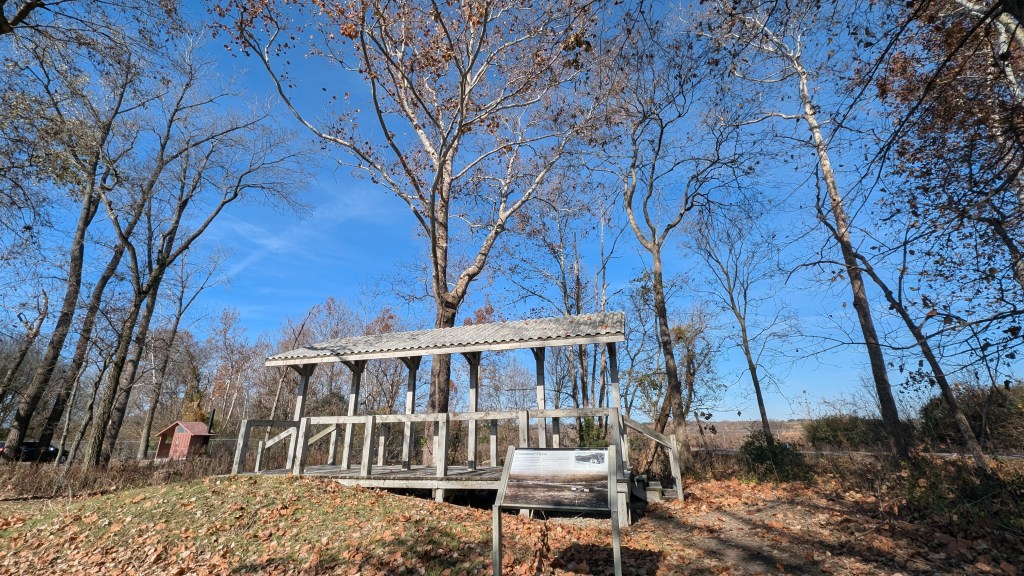
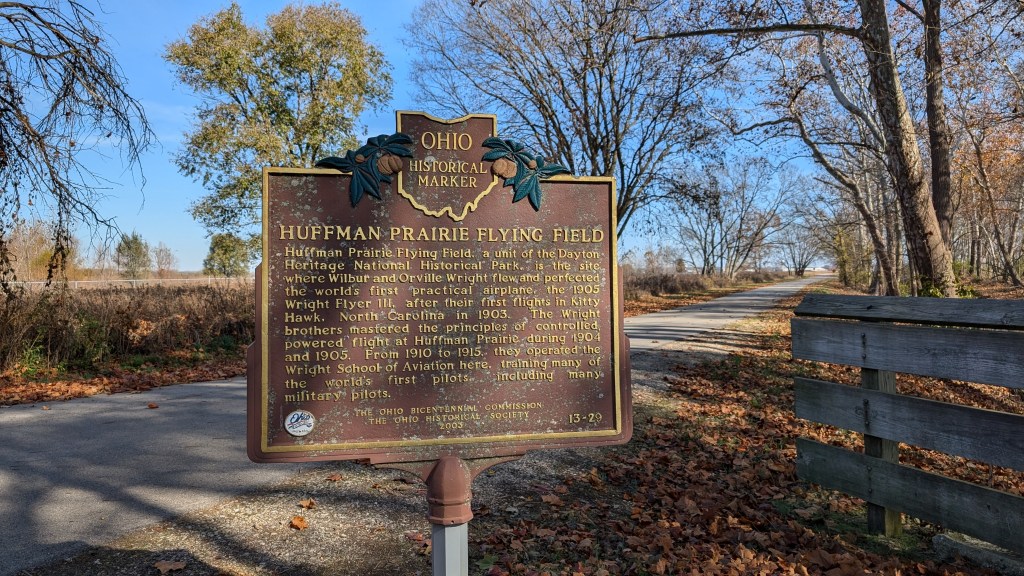
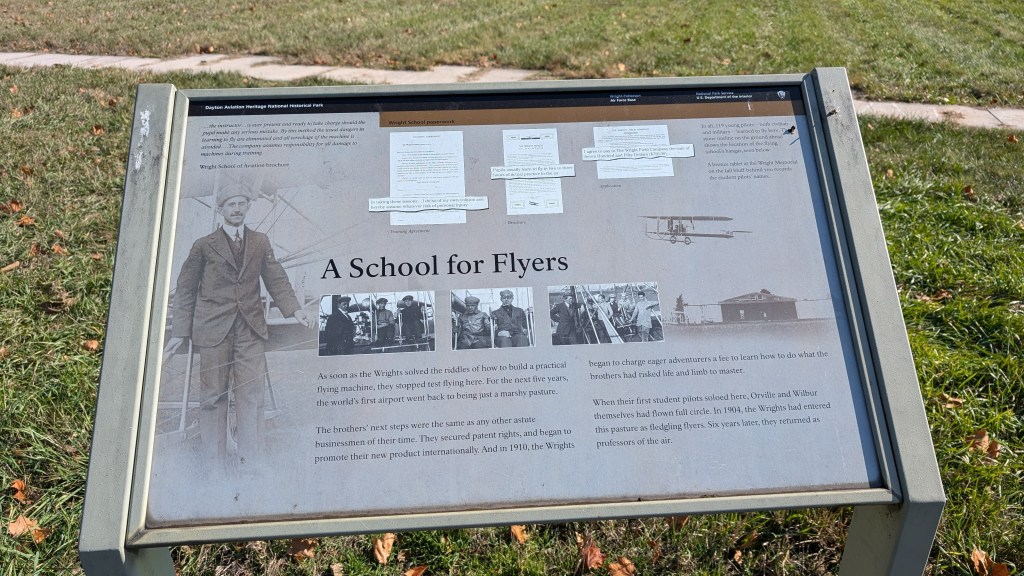
Have you ever been to Huffman Prairie in Fairborn? After their first flight in Kitty Hawn, NC, the Wright brothers were in search of a flying field nearby. A banker from Dayton, Torrence Huffman, loaned his pasture to the Wright Brothers rent-free and this is where the Wright Brothers really developed their flying skills in 1904-1905.

Later in 1910, the Wright Brothers established the Wright Company and used Huffman Prairie as their testing ground and exhibition space, and ran their flying school there as well.

Sara is currently working on her 4th book!

This book, projected to be released in 2027, will cover unsolved cases from the Dayton area. What unsolved cases from around here interest you?

Here are a few of the mysteries the book will cover:

  • A bomb send to the groom just before his wedding. No suspect has ever been arrested.
  • A young woman visiting Dayton suddenly dies and is buried without a name. Who is she, and why did he traveling companion refuse to identify her?
  • A grandmother disappears from her apartment. There were no signs of foul play and she didn’t take her coat or purse before leaving. What happened to her? Where is she?
  • A nightclub singer and his wife are murdered in their home. Their young daughter escapes through a window. Who killed the couple?
  • A young girl disappears from Kettering in 1976. Police dismissed her as a runaway. Whatever happened to her?

Sara’s Ghost Tour & Courthouse Square

Last Saturday, Sara hosted several ghost tours of the downtown area as part of the Dayton Housing Tour! We had a great turnout and met a lot of great people. It was a blast discussing the ghost stories and hauntings in downtown, while exploring the history of the city.

Thanks to all who came out!

Sara’s tour included:
  • Court House Square (Old Jailhouse)
  • Dayton Daily News Building (4th and Ludlow)
  • Dayton’s First Cemetery (5th and Ludlow)
  • Spaghetti Warehouse
  • The Old Courthouse
If you have any suggestions for local tours, let us know!