This article was published in The Spirit of Democracy (Woodsfield, Ohio) on October 11, 1845.

Most Popular Story: Hills and Dales Lookout Tower: The REAL Story
Sara’s Favorite Story: A Constable Finally Honored after 151 Years
Bethany’s Favorite Story: Other Daytons Part 1 and Part 2
As always, if you have any story ideas or questions you’d like us to look into, please let us know! There are so many ways to contact us – leave a comment down below, via the Contact Us page, send an email (daytonunknown@hotmail.com), send a message on Facebook or Instagram (@daytonunknown), etc.
Due to being slowed by an injured foot and shoes filled with water, Henry was captured by the Native Americans as they stole the horses from the settlement. Henry’s clothes were stripped from him, and he was forced to run through the trees while trying to keep up with the Native Americans on the stolen horses. When they finally stopped to camp, Henry was bound and tormented by his captors, as they callously showed him the scalp of his brother William. During his captivity, Henry was subjected to torture with the other prisoners, forced to run painful gauntlets and beatings.
Continue reading
We reached out to the Riverside Historical Society, and they forwarded our request to the owner of the Kemp Homestead. The owner then reached out to us, and gave us his contact information, which we forwarded to Dr. Kemp.
We were delighted to receive the following email from Dr. Kemp after his visit:
Thank you for suggesting the Riverside Historical Society for enabling contact with James Owen. My wife Tricia and I met him 1 o’clock June 5th. He was very open, gracious, and proud to show us all through the house for two hours. He said he and his father restored the homestead about 1972. It had been heavily vandalized but because the original had no nails, the wood and stones weren’t bothered. We went up to the attic and space where slaves sheltered and Kemp children slept and could be ignored. Jim is a lawyer and antique collector. The homestead contains a huge collection of furniture, beds, paintings, guns, pots, books, etc. that he loves to recount. There is a powerful home theatre system on the ground floor fireplace west. He gave us two printed gift cards of the homestead as a parting gesture.
We love that we were able to facilitate this!
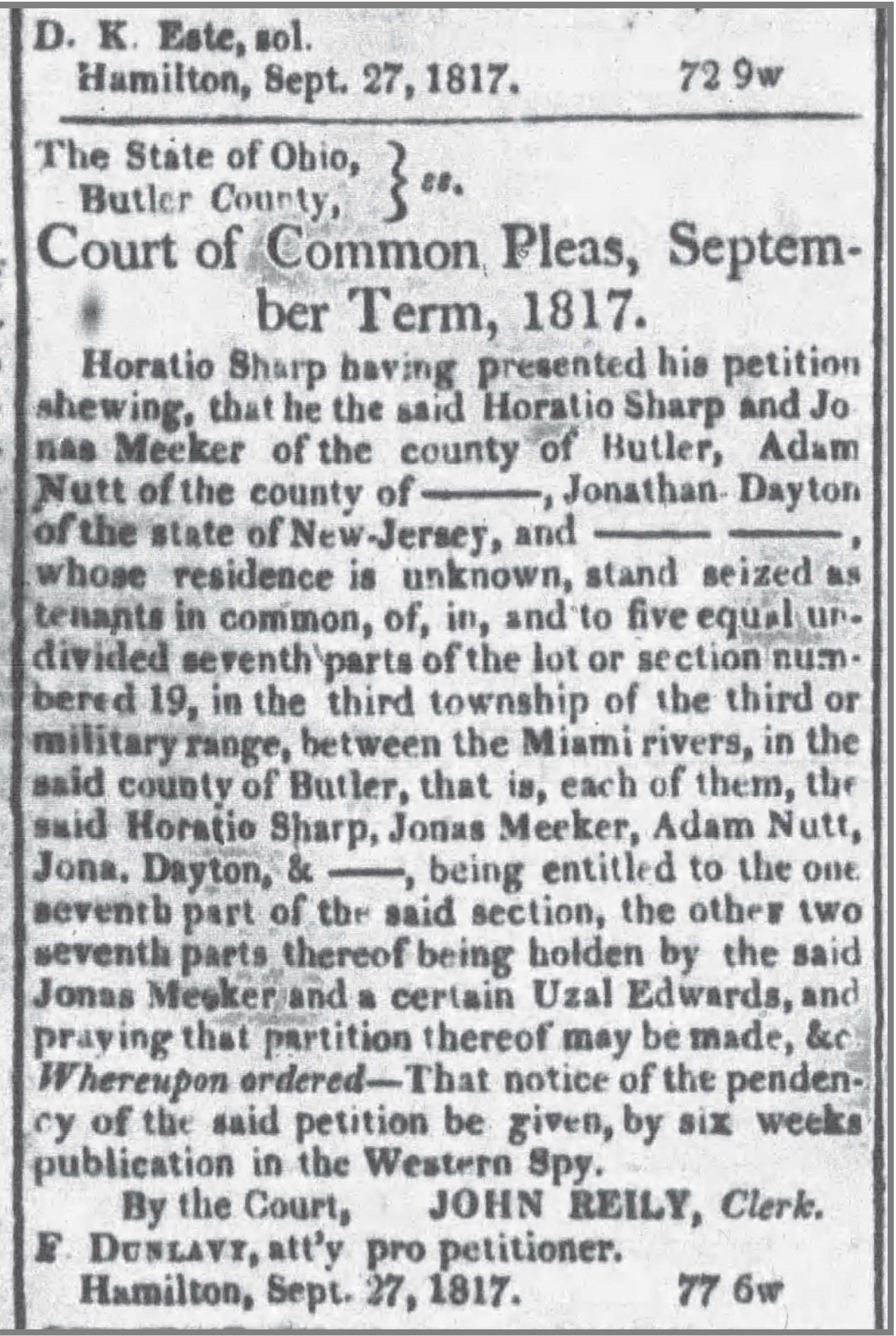
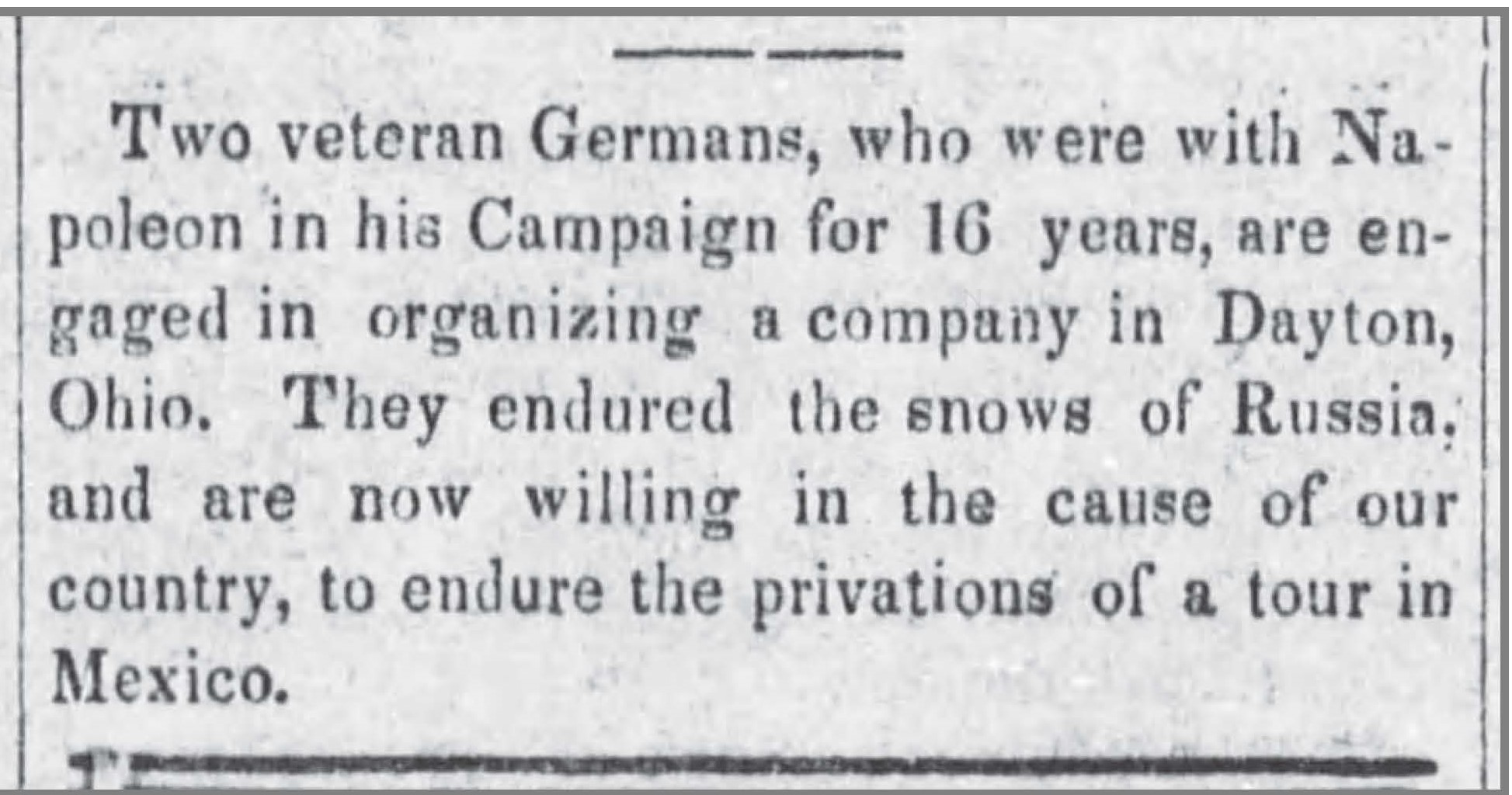
Johnny Newton Morehouse was born in 1855, the youngest son of John Newton Morehouse Sr. and his first wife, Mary Margaret (Browning) Morehouse. John and Mary were married December 23, 1851. Johnny’s older brother Horace Morehouse was born in 1852, also in Ohio.
John Newton Morehouse was born in 1828. He was a shoe cobbler until his death in 1903. In 1851 he married Mary, his first wife and mother to Horace and Johnny. They divorced and by the time Johnny died in 1860, John was married to his second wife, Barbara. After Barbara died in 1878, John lived a low-profile life as both a shoe cobbler and an active member of his church. He never remarried and remained in Dayton until his death in 1903.
Mary Margaret Browning remarried on October 25, 1870, to Nathaniel B. Young. Together, Nathaniel and Mary had two children, Jack Diamond Young (1870) and Nathaniel B. Young Jr. (1876). Eventually Mary, her husband, and the kids moved to Fort Wayne, Indiana. Nathaniel Sr. and his stepson Horace went into business together but had to declare bankruptcy in 1877. Mary and her family eventually moved to Washington where she lived until her death in 1927.
Horace moved to Fort Wayne, Indiana with his mother, stepfather, and half siblings and worked in the clothing business as a tailor. On January 8, 1889, he married the recently widowed Alice Wood (Van Phul) after a brief and secret courtship, which caused a major scandal and led to the Cincinnati Sun writing a smear article about it. (Read about it here).
By the end of February 1889, Alice alleged that Horace had abandoned her and filed for divorce. After three years of “abandonment” Alice was granted her divorce. Years later, Horace married Kitty Gilbert and shortly after, they had a son. A few years later, Horace moved his family to Seattle, where he became advertising manager for the Seattle Post Intelligencer. Horace died in 1898 after a 5-week illness.
Fun fact – we gathered the most recent census information available and tallied it up to compare to our beloved Dayton:
Dayton, Ohio – population of 137,644
Other Daytons – total combined population of 126,837
 Dayton Unknown