- What’s Your Favorite Scary Movie? Art Show
Includes Hearse Cruise-In, Vendors, and Food
Secret Chamber of Oddities and Artwork
17 W Main Street, Fairborn
Friday June 13th, 3pm-5pm for the less energetic, 5pm-9pm, for those all in - Pickle Fest
Austin Landing
3700 Rigby Rd, Miamisburg
June 21st, 3pm-10pm - Greene County Strawberry Fest
Greene County Fairgrounds
120 Fairground Rd, Xenia
June 21st-22nd, 10am-5pm - The Great Dayton Food Truck Rally
104 Front Street, Dayton
July 11th, 5pm-9pm
July 12th, 11am-8pm - Columbus Book Festival
Columbus Metro Library
96 Grant Ave, Columbus
July 12th 10am-6pm
July 13th 10am-5pm - Gem City Comic Con
Marriott at UD
1414 South Patterson Blvd, Dayton 45409
July 19th & 20th 9am-4pm
Dayton TikTokers
- Looking for a new place to eat in the Dayton area? Check out the restaurant reviews from Tiktok user @CrustyMcG.
- Learn about Dayton architecture and history with author of Lost Dayton, Andrew Walsh @daytonvistas
- @daytondotcom shares “What to know, What to do, What to Love” in Dayton
- @abet_artistry shares her life in Dayton
- @straightbussinfood tries restaurants in the Southwest Ohio area
- @natalie_reports is a food & dining reporter for the Dayton Daily News
- Explore Dayton with @girlaboutDayton
- Get news stories with @daytondailynews
- @fairbornone shares news and events in Fairborn
- Dayton-rooted @ohhanasun posts content from Dayton and Cincinnati
- @themiamivalleyexp spotlights small businesses in the Dayton area
Check out these businesses from Dayton with their own TikToks:
- @thedollarbookswap
- @roseomn04 – El Rancho Grande in Fairborn
- @baker.benji
Sara’s Appearance on WYSO Book Nook

To listen to her interview: Book Nook: ‘Murder in Victorian Dayton: The Tragic Story of Bessie Little’ by Sara Kaushal
Upcoming Spring and Summer Events
- Children’s Free Book Fair
29 West First Street, Dayton
May 17th-18th - Food Truck Rally
Thomas Cloud Park
May 20th at 4 pm - Summer Flea Market
Charles Lathrem Senior Center
June 7th - Troy Strawberry Festival
405 Public Square, Troy Ohio
June 7th-8th - Yellow Springs Street Fair
101 Dayton Street
June 14th - Greene County Strawberry Fest
120 Fairground Rd, Xenia
June 21st-22nd - Hunger Days Food Truck Rally
2910 Trebein Road (Hobson Freedom Park), Fairborn
July 24th at 4pm - Art on the Commons
695 Lincoln Park Blvd, Kettering
August 10th - Greater Dayton Lebanese Festival
50 Nutt Road, Dayton
August 22nd-24th
Dayton Codebreakers – Sir Dermot Turing’s Visit
Desch and his team worked in one of NCR’s buildings decoding the messages using the American Bombe Machine and would then send the messages to Washington D.C. as intelligence. While working with the American Bombe Machine, Alan Turing – known for cracking Germany’s Enigma code – visited Joseph Desch in Oakwood and at the NCR building.
Retired RAF Captain Andrew Lloyd, along with the organization he founded, Oakwood Unsung Heroes, have been working to showcase this piece of history by having a City of Oakwood proclamation for the month of May to be Codebreaker Month, and they have an exhibit on display at Wright Memorial Public Library in collaboration with the National Cryptologic Museum.
On May 8th, the nephew of Alan Turing, Sir Dermot Turing, will be speaking at the Dayton International Peace Museum and at Carillon Park. For both events, tickets are free, but limited.
- May 8th at 11am @ Dayton International Peace Museum
- May 8th at 7:30pm @ Carillon Park
If you’re interested in reading more about this topic:
- X, Y & Z by Sir Dermot Turing
- The Codebreakers of Bletchley Park: The Secret Intelligence Station that Helped Defeat the Nazis by Sir Dermot Turing
- The Enigma Story: The Truth Behind the ‘Unbreakable’ World War II Cipher by Sir Dermot Turing
- Reflections of Alan Turing: A Relative Story by Sir Dermot Turing
- The Secret in Building 26: The Untold Story of America’s Ultra War Against the U-boat Enigma Codes by Jim Debrosse
Dayton Area Book Crawl
- Jay and Mary’s Book Center
1201 Experiment Farm Road
Troy, OH 45373 - Browse Awhile Books
118 East Main Street
Tipp City, OH 45371 - Around About Books
8 West Main Street
Troy, Ohio 45373 - New and Olde Pages
856 Union Boulevard
Englewood, OH 45322 - The Cozy Booknook
4720 South Dixie Avenue
Moraine, OH 45439 - Rabbit Hole Books
29 West First Street
Dayton, OH 45402 - Star City Booksellers
55 South Main Street
Miamisburg, OH 45342
Start your journey at any location and pick up a passport. Get the passport stamped at each location and be entered to win prizes! Make sure to stop in at New & Olde Pages for author speed dating from 1 to 3 pm. Sit for 3 minutes with each author and let them pitch their book or series to you.
Katt Williams to be Honored in Cincinnati
Williams was born in Cincinnati in 1971 and moved to Dayton with his Jehovah’s Witness parents. During that time, he learned multiple languages, including Creole and French, and he lived in Haiti for 18 months as part of religious missions. Williams emancipated himself from his parents at 13, then moved to Florida and supported himself as a street vendor.
Williams has found success through his stand-up comedy, acting, and music career. Although he has faced many legal issues, he has continued with his career and received an Emmy for Outstanding Guest Actor in a Comedy Series for his appearance on the show Atlanta. His “Heaven on Earth” comedy tour has dates across the US through November.
Local Author – Meredith Doench
Meredith holds a Bachelors in Special Education from Ball State, a Masters in English from University of Dayton, and a PhD from Texas Tech in English/Creative Writing. She lives in Dayton where she is a principal lecturer of creative writing, literature, and composition at UD. She is a member of the Golden Crown Literary Society, Sisters in Crime, and Mystery Writers of America. She also serves as a board member of Mystery Writers of American Midwest Region.
Another Wright Brother Bench has been Found!


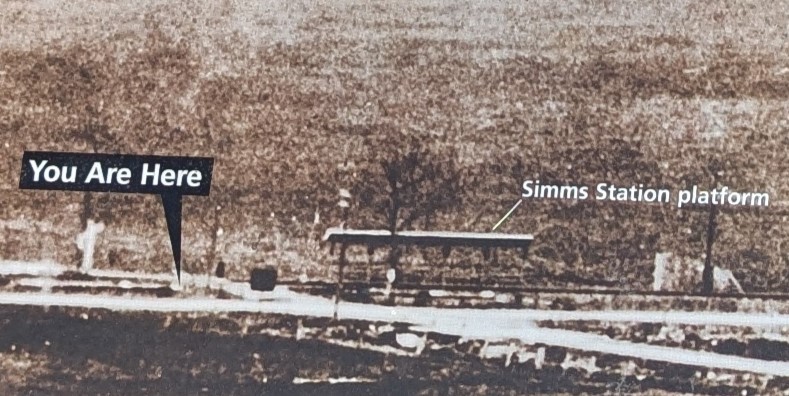
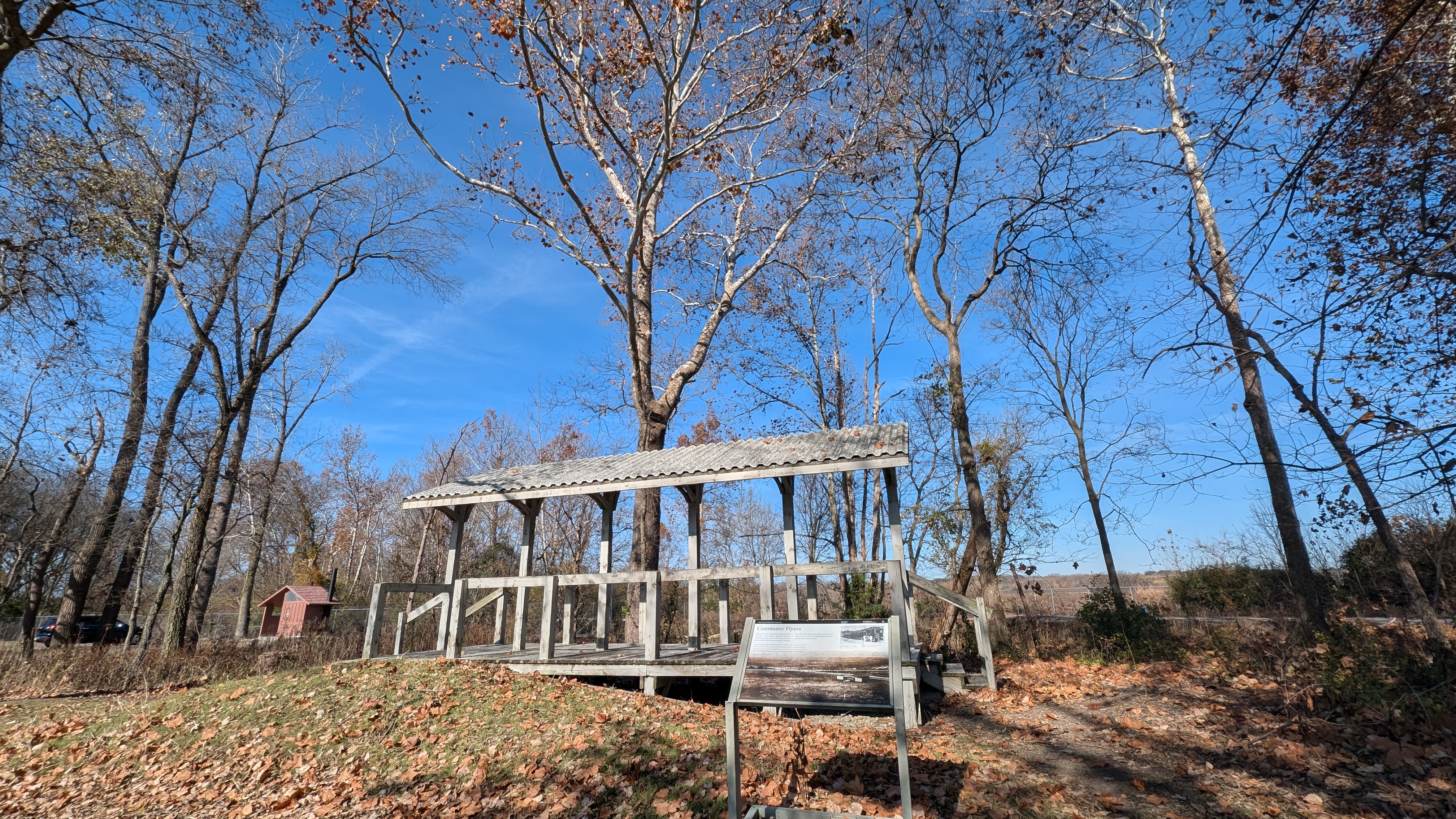
Huffman Prairie & Simms Station
 Dayton Unknown